From CES and SEMA to major industry conferences, a productive convention trip begins with a clear plan—not just a hotel reservation.
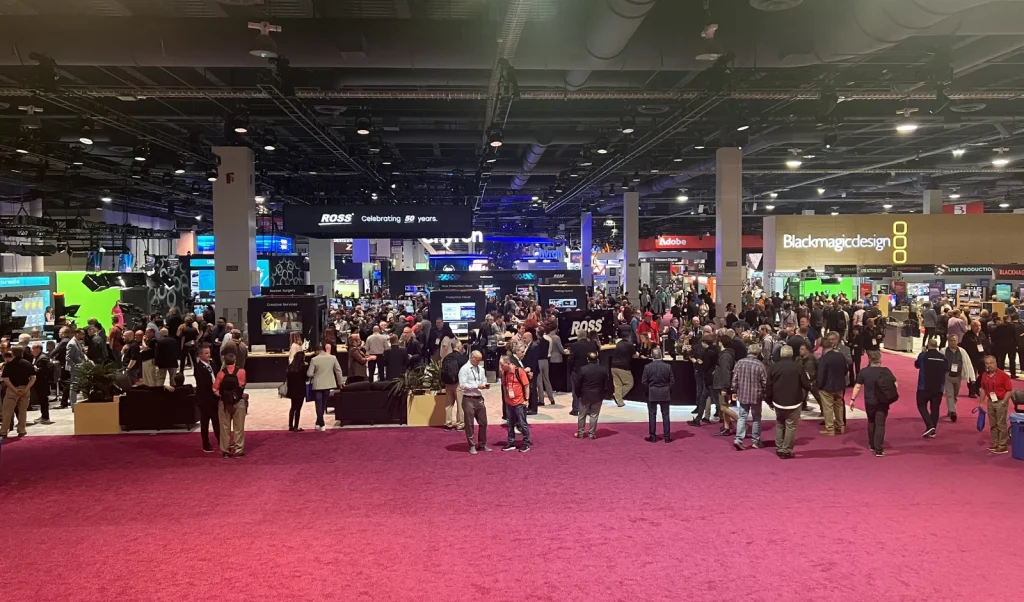
You have arrived in Las Vegas, your first meeting starts in 20 minutes, and the entrance you need is on the other side of a large convention campus. It’s an avoidable problem—but a familiar kind of planning mistake.
Las Vegas hosts trade shows for industries ranging from automotive technology to construction and broadcasting. They may share venues, but each show has its own admission rules, schedule, transportation arrangements and visitor services. The best way to enjoy the city and accomplish something at the show is to organize the practical details before you travel.
1. Confirm what your badge actually allows
Start with the event’s official website, not a third-party ticket listing. Some conferences welcome the public, while others require professional qualifications or registration in a specific category. A badge may cover exhibits but not an education workshop, networking dinner or separate concert.
For example, SEMA Show 2026 is primarily an automotive-industry event, with a separate public-admission opportunity on Friday, November 6. That rule does not apply automatically to CES, NAB Show or World of Concrete. Check the organizer’s policy for the exact event and year.
Save your confirmation, identification requirements and badge-pickup location somewhere accessible offline. If the organizer needs documentation of your employment or business, prepare it before leaving home.
2. Know the building—and the entrance
The Las Vegas Convention Center has multiple halls and extensive meeting space. An address can get you to the venue without getting you anywhere near the right booth or conference room.
Use two maps: the venue map for halls, entrances and connections, and the event floorplan for that show’s exhibitor layout. Confirm the current booth numbers before scheduling a tightly packed set of meetings. A floorplan saved from a previous year may not be useful.
If your first stop is in West Hall, give your driver or navigation app that entrance—not simply “Las Vegas Convention Center.”
3. Compare the total hotel cost and travel time
A tempting room rate is only the beginning. Look at the complete price, applicable fees, cancellation conditions, check-in rules and travel time to your first appointment. A less expensive room can become a poor bargain if the daily journey is long or inconvenient.
If a show offers official housing, start from the organizer’s own website and confirm which booking provider it uses. Be cautious about unsolicited hotel offers claiming to represent an event.
Consider the entire journey: room to lobby, lobby to pickup, ride to venue, then the walk to the correct hall. The last part can be significant during a busy convention.
4. Match transportation to the show
For many visits, the Las Vegas Monorail offers a useful route to the convention center from parts of the Strip. Check station location, service hours and the final walk to your meeting before purchasing a ticket.
The LVCC Loop provides free rides between stations within the convention center campus. Travel to public stations outside that campus requires a separate ticket. It is a campus connection, not a blanket promise of free transportation across Las Vegas.
Some organizers also offer their own shuttles and designated rideshare or taxi areas. For instance, SEMA’s 2026 transportation page lists complimentary service to more than 45 hotels and warns that convention-center construction will affect parking. Those details are event-specific; check the transportation page for whichever show you attend.
5. Build a schedule with room for discovery
An ambitious list of 30 exhibitors may look productive until you factor in walking, crowded aisles and conversations that run longer than expected.
Choose three outcomes for the day: perhaps compare a product category, meet two prospective partners and attend one useful education session. Then identify the must-see booths and arrange nearby appointments together. Leave room to discover something you did not expect.
A simple follow-up note after each conversation can save hours later: company, contact name, product discussed, evidence requested and next step. If you’re interviewing or photographing exhibitors for publication, ask about recording and image permissions rather than assuming access to a booth gives you unrestricted reuse rights.
6. Prepare for the practical details
Comfortable footwear, a charged phone, a backup battery and access to important information offline can make a long show day easier. Review the particular show’s bag, identification and prohibited-item rules. If you require accessible transportation or venue assistance, check the convention center’s official accessibility resources and contact the event organizer in advance about event-specific arrangements.
At the end of each day, organize contacts and identify the two or three follow-ups that matter most. Networking value declines quickly when the conversation is forgotten and the business card disappears.
Make the city part of the plan, not an obstacle
Las Vegas can be a terrific setting for an industry gathering. The trick is to build an itinerary that respects both the scale of the show and the geography of the city. Confirm admission, plan the correct entrance, allow generous travel time and leave enough flexibility for a promising conversation.
Explore our Las Vegas events calendar for sourced event listings, or visit the SEMA Show 2026 coverage hub for this year’s automotive-show information.
Guide reviewed October 30, 2026. Transport, admission and venue arrangements vary by event and may change; rely on the organizer’s latest instructions for travel decisions.